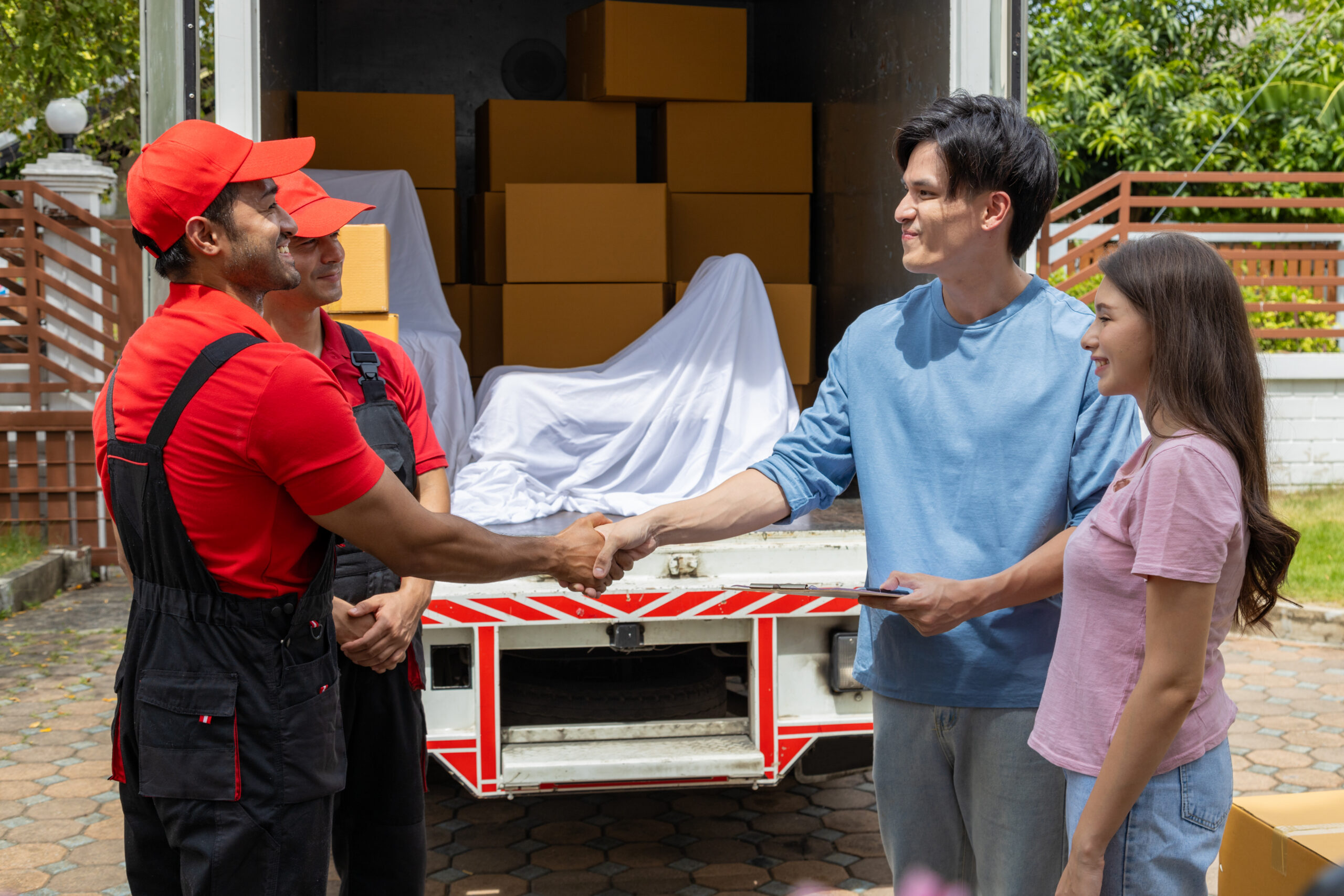
If your closing dates don't line up, the most common moving storage solution in Palm Coast is to rent a climate-controlled self-storage unit and have movers load it, then move everything out to your new home when it's ready. Moving With Prince doesn't operate a storage facility, but we can coordinate moving your belongings into a storage unit you rent and back out again. Other options include a portable container, a short-term rental, or negotiating timing with your buyer or seller.
Here's how each option works, what it costs you in moving time, and how to protect your things in Florida's heat and humidity.
Moving Storage Options Between Homes
Most "between homes" situations come down to a gap of a few days to a few months. The right choice depends on how long the gap is and how much you need access to your belongings.
| Option | Best for | Things to watch |
|---|---|---|
| Self-storage unit (climate-controlled) | Gaps of a few weeks to several months | Two moves instead of one; unit size and access hours |
| Portable storage container | Driveway access and DIY loading | HOA rules, driveway space, hurricane-season exposure |
| Short-term furnished rental | Relocations where you're still house-hunting | Storing most furniture anyway |
| Rent-back or delayed closing | Gaps of a few days to a couple of weeks | Needs agreement from the other party |
| Family or friends' garage | Small loads, short gaps | Heat and humidity in an uncooled garage |
How a Move Into Storage Works
When you rent a unit, the move happens in two legs:
- Leg one: we load your current home and unload into your storage unit.
- Leg two: when your new home is ready, we load the unit and deliver to your new address.
You rent the unit directly from the storage facility and handle that contract, access codes and payment. Let us know the facility address, unit number, unit size and whether it's drive-up or interior with a hallway and elevator. Interior units take longer because every item travels farther.
Tips for a smoother storage move
- Reserve the unit before you book the movers, and confirm the facility's gate hours match your moving day.
- Pick a unit with a little extra room so the crew can stack safely and leave a walkway.
- Put the items you'll need first, like beds and a few kitchen boxes, near the front.
- Label every box on two sides with the room it belongs in at the new house.
- Keep a simple inventory list or take photos of what goes into the unit, so you know what's there months later.
Moving out of storage
The second leg is usually faster to plan because everything is already packed. Call us as soon as your closing or lease date is firm so you can get the day you want. On delivery day, have your unit key or gate code ready, and be at the new home or have someone there to direct where furniture goes. If you're moving from storage into a home outside our 45-minute radius, any travel charge is part of your upfront quote.
Moving out of storage across town works like any other local move: the crew loads, drives and unloads, and you pay for the time.
What It Costs in Moving Time
Our local moves start at $150 per hour for a 2-man crew, with clear, upfront quotes and no hidden fees. Because storage means two moves, plan on two sets of hours. Here's a rough example, not a quote:
| Home size | Typical hours per leg (estimate) | Estimated cost per leg at $150/hr |
|---|---|---|
| 1-bedroom apartment | 2–4 hours | $300–$600 |
| 2-bedroom home | 4–6 hours | $600–$900 |
| 3-bedroom home | 6–8 hours | $900–$1,200 |
Actual time depends on stairs, distance from the truck to the unit, how well everything is packed, and how much you're moving. There's no travel or mileage fee when the drive is 45 minutes or less from Palm Coast. Longer trips may carry a travel charge, quoted up front. Your real number comes from your free quote.
One easy way to lower both legs: don't store what you don't want. Clearing out old furniture with junk removal before leg one means you pay to move it zero times instead of twice, and you may fit in a smaller unit.
Protecting Your Belongings in Florida Storage
Palm Coast humidity is hard on furniture, paper, electronics and fabric. A non-climate-controlled unit or an uncooled garage can lead to mildew, warped wood and musty mattresses over a few months.
- Choose climate control for wood furniture, mattresses, electronics, photos and documents.
- Use sturdy, uniform boxes. They stack better and hold up to humidity longer than grocery boxes.
- Don't wrap furniture tightly in plastic for long-term storage; it can trap moisture. Use breathable covers or blankets.
- Keep items off the floor with pallets or a bottom layer of sturdy boxes in case of water.
- Check coverage. Ask your insurance agent whether your homeowners or renters policy covers items in storage, and ask the facility what it offers.
Atlantic hurricane season runs June 1 to November 30. If your belongings will sit in storage during those months, a well-built facility is a better bet than a container in a driveway. For help boxing things up properly, see our packing services.
When Storage Is Part of a Relocation
If you're moving to Palm Coast from out of state, storage often bridges the gap while you close on a home. We handle long-distance moves to and from the Northeast, Midwest and South, and can deliver into a local storage unit you've rented when your home isn't ready yet. Learn more about our long-distance moving.
Moving within Flagler County, from Bunnell to Palm Coast or out to Flagler Beach? See our Flagler County moving page, or our main Palm Coast movers page for local moves.
Get a Free Quote
Tell us where your things are now, where your storage unit is, and roughly when you'll move into the new home. We'll give you an upfront quote for both legs. Request your free quote or call (386) 359-3044, open 7 days a week, 8am to 8pm.